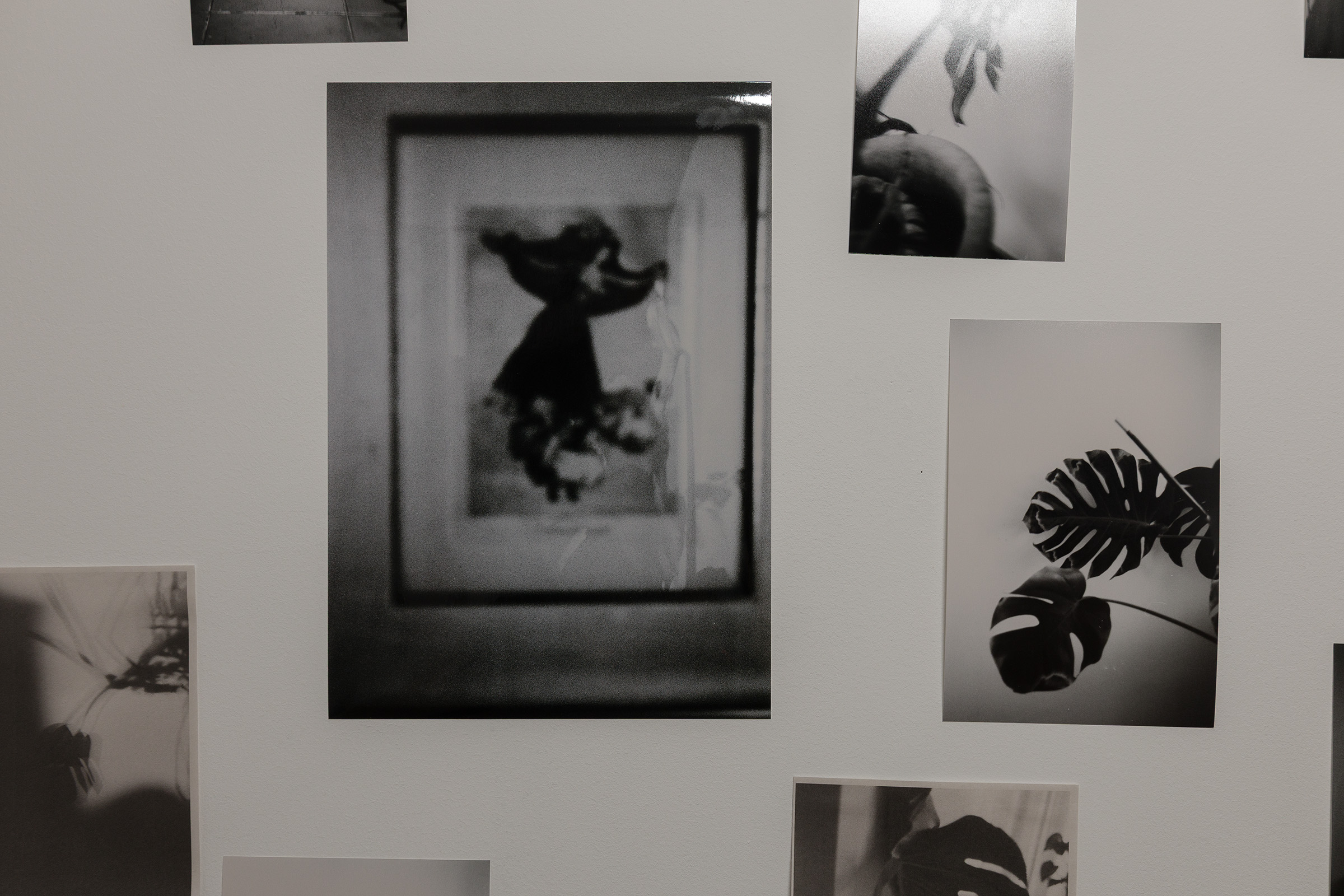
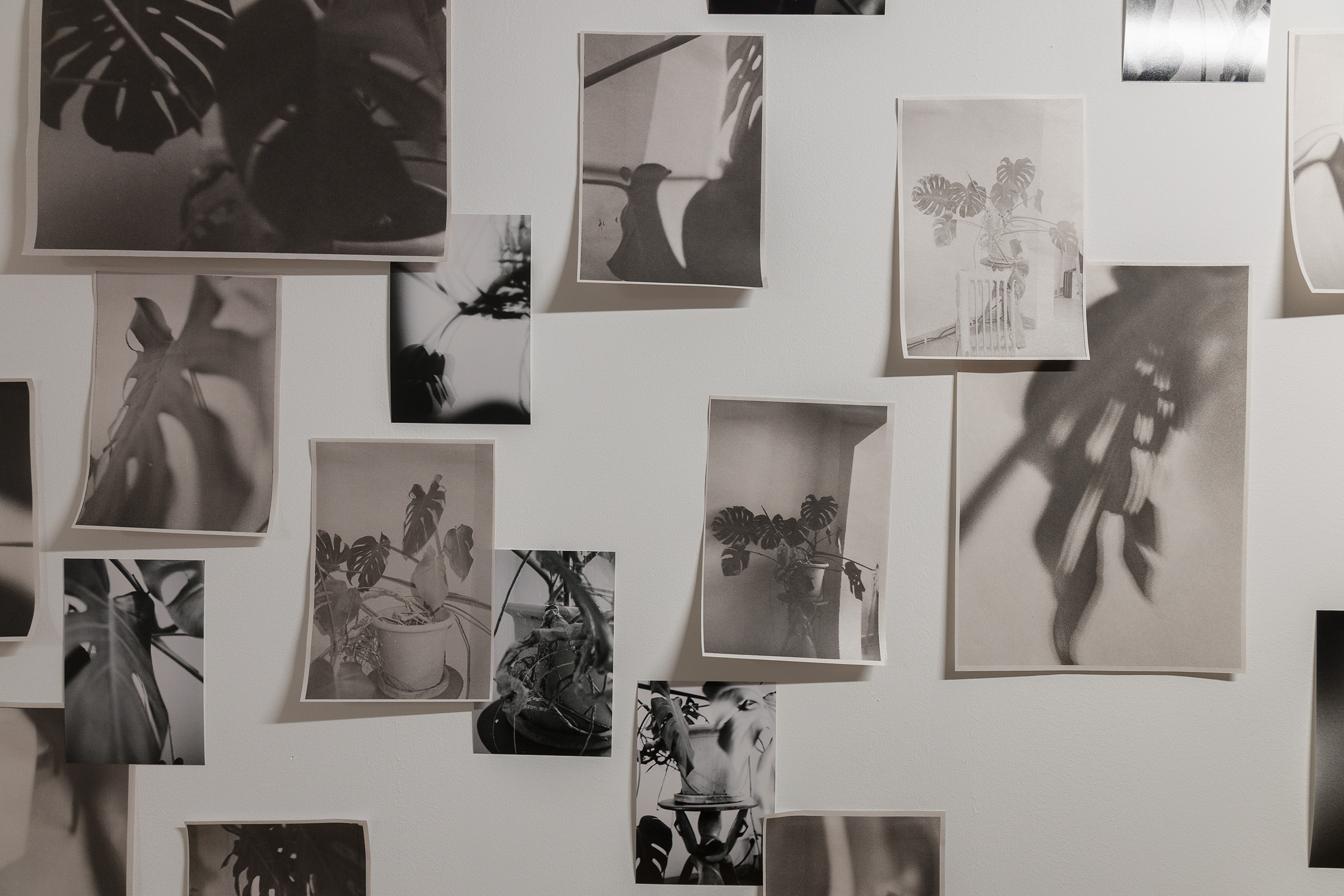
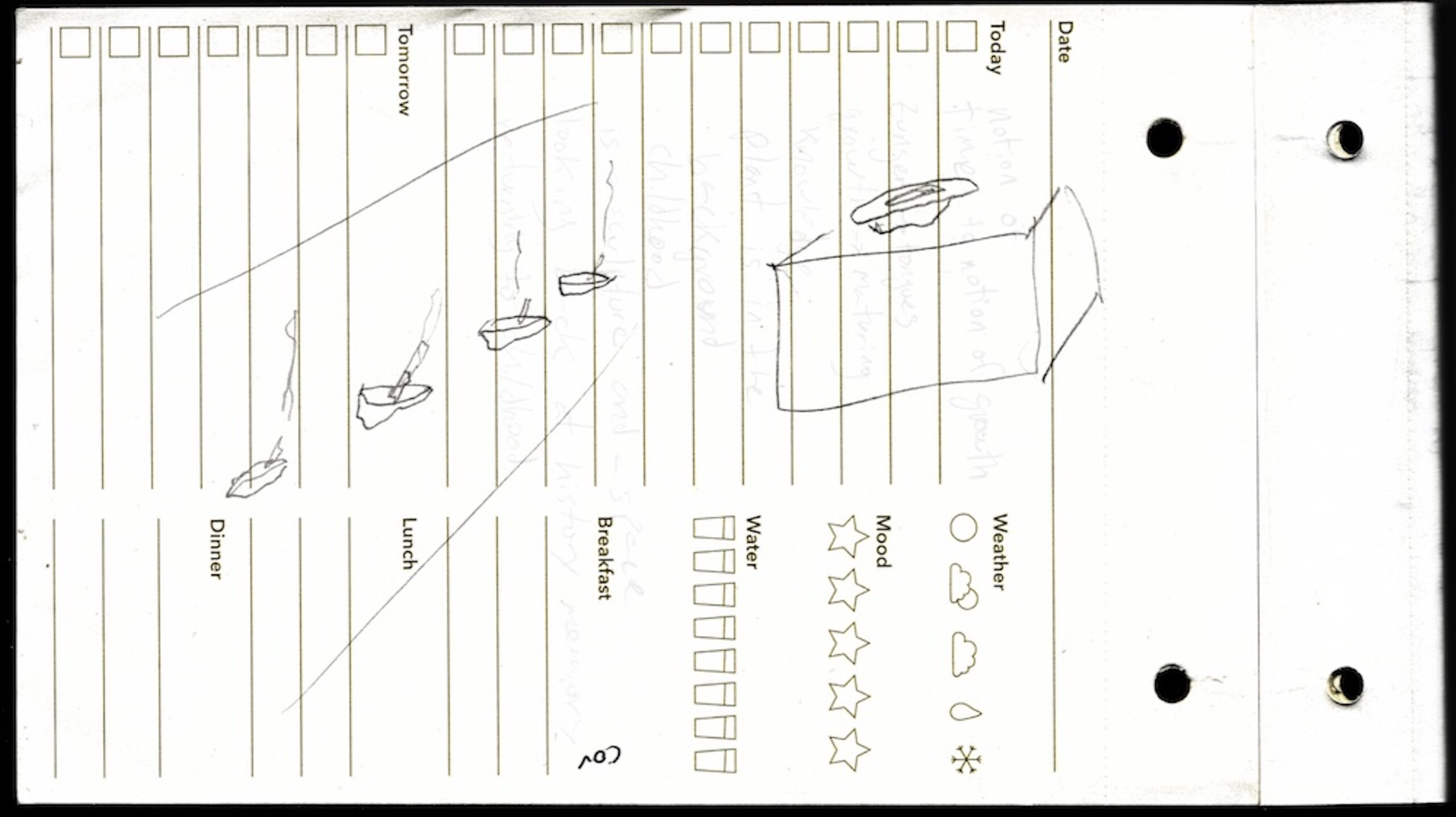
The exhibition Zungen by Ian Waelder is the third in the series for fear of continuity problems, which explores the notion of memory in parts of GAK’s indoor space and in the poster frames outside.
The conversation around Waelder’s exhibition started with the image of a child standing before a family bookshelf. Still very small, the child could only reach the books on the lower shelves, but over the years and as they became taller, more shelves and different books could be accessed. This access, reaching up or bending down is something one regularly performs in front of books. Accordingly, knowledge and memory are also connected to reach. Just as the body and language are intertwined.
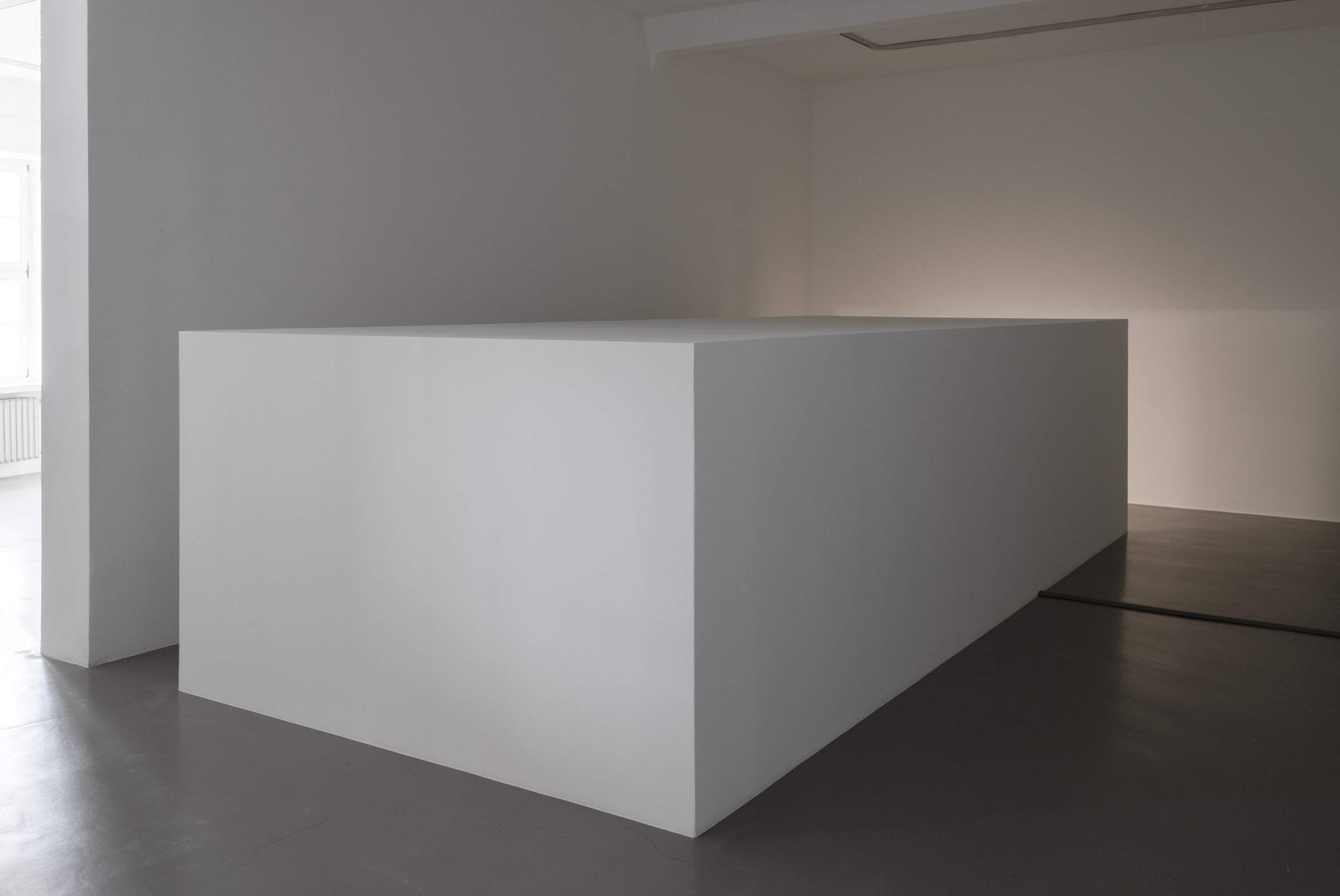
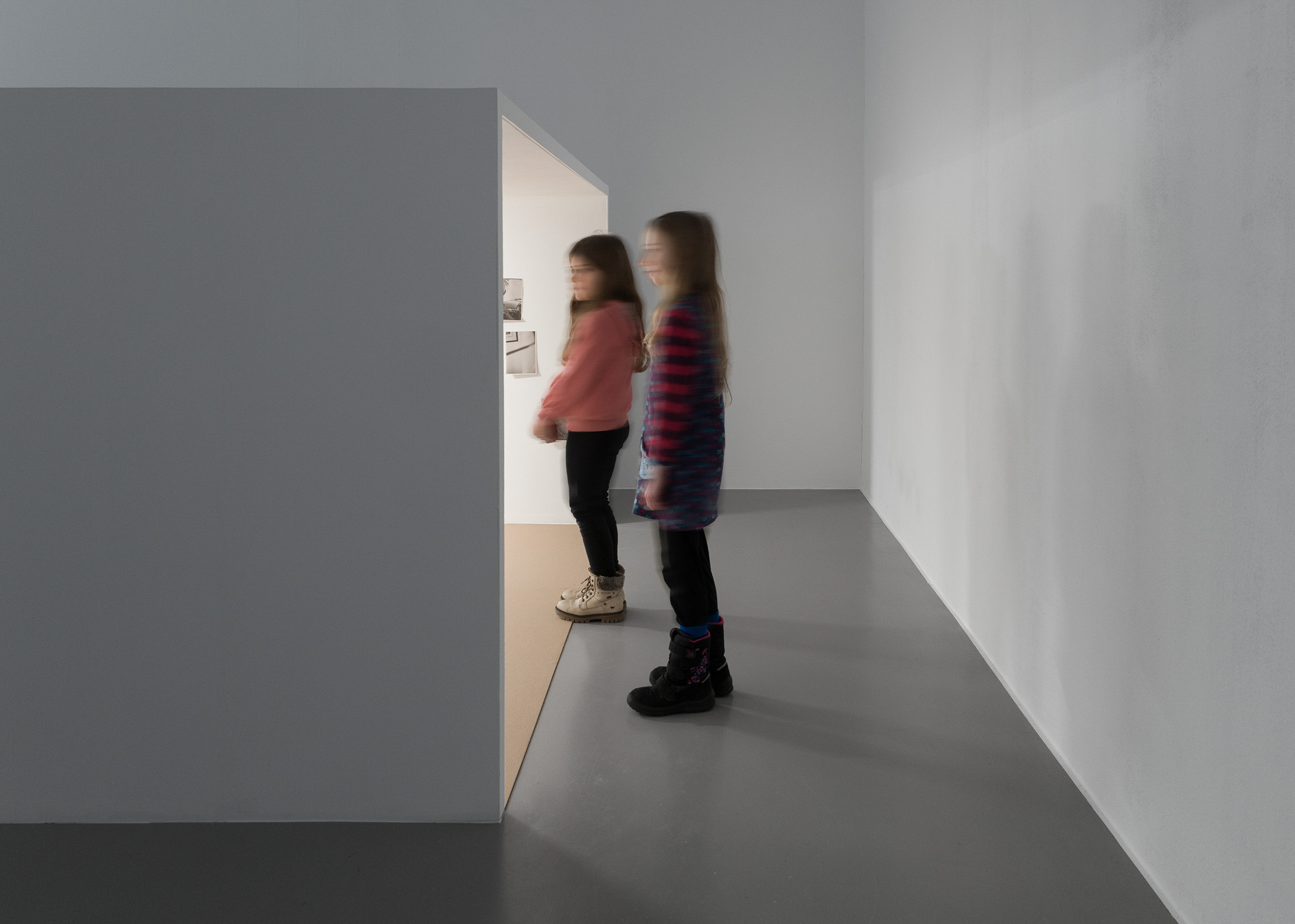
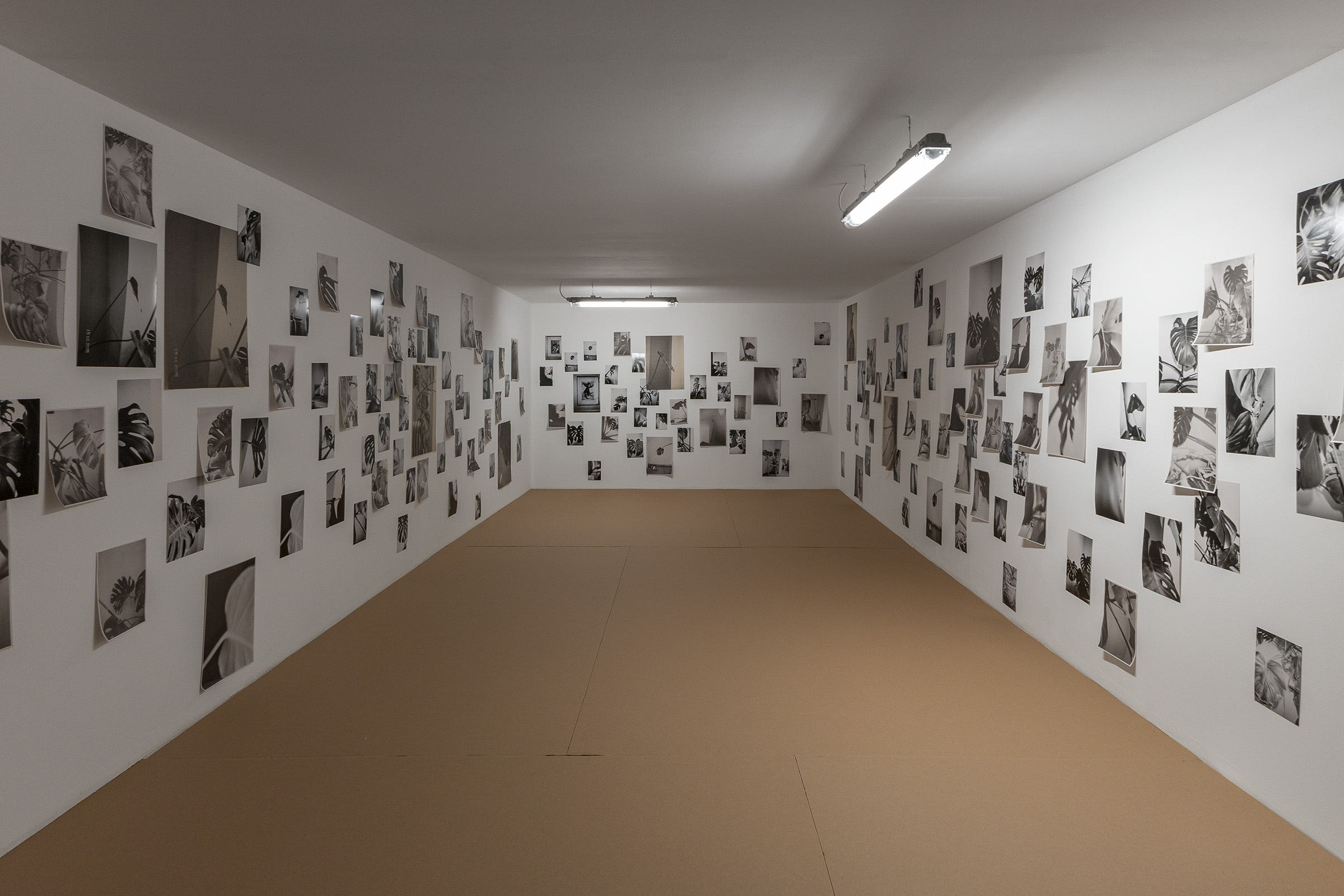
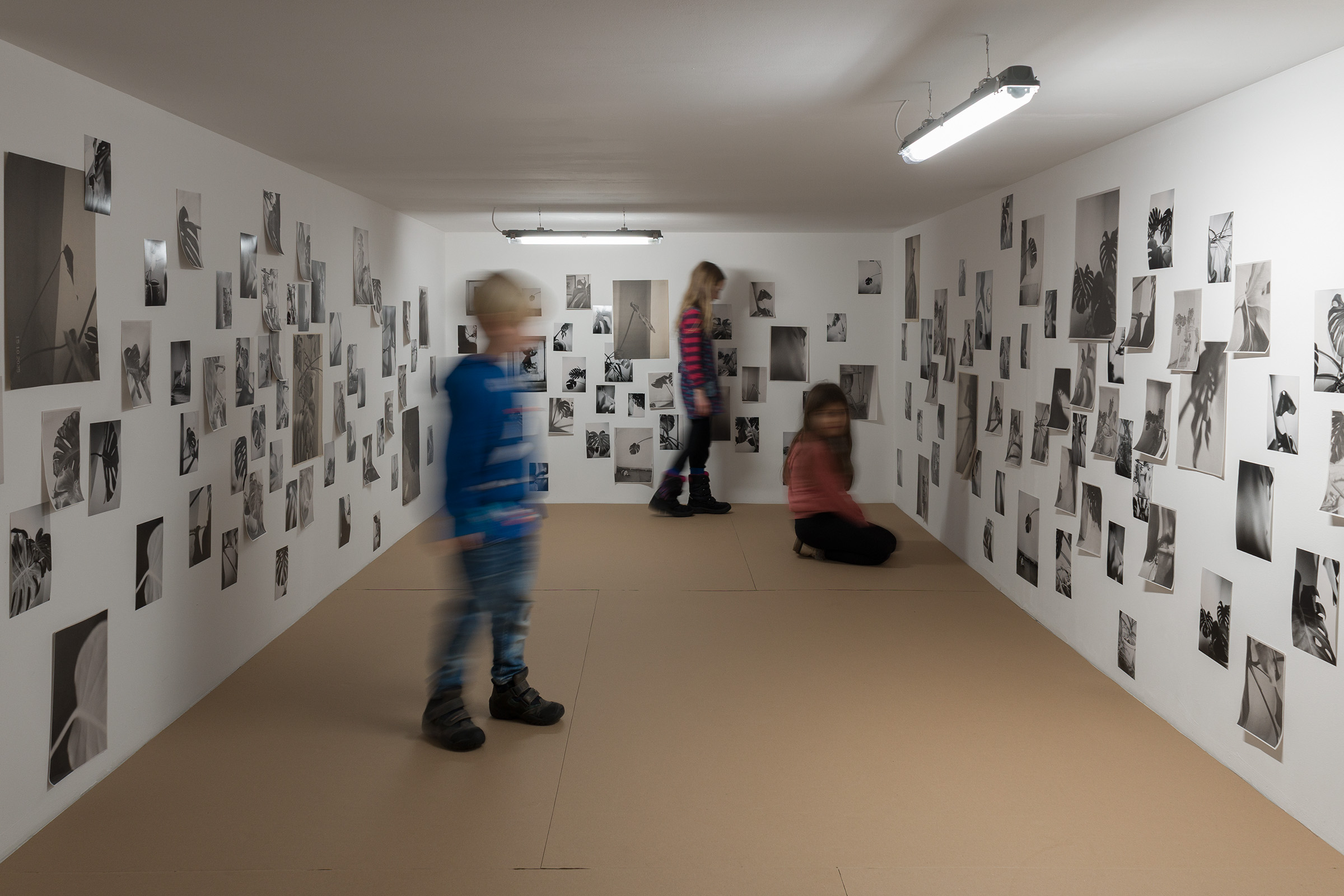
Within the exhibition at GAK sits a space with a low ceiling, a sort of box, which you are invited to enter. If you are quite tall, you will have to crouch down inside. There you will find a series of photographs documenting a plant and its growth over the years. The photographs capture time as being intimately connected to the artist himself — the plant was given to Waelder’s mother on the day of his birth and since then grows alongside him.
Repetition regularly features in the work of Waelder. It gives seemingly arbitrary objects or images that he finds or which were given to him a sense of continuity and meaning. Embedded in this repetition is an insistence of grasping something that is present yet hidden.
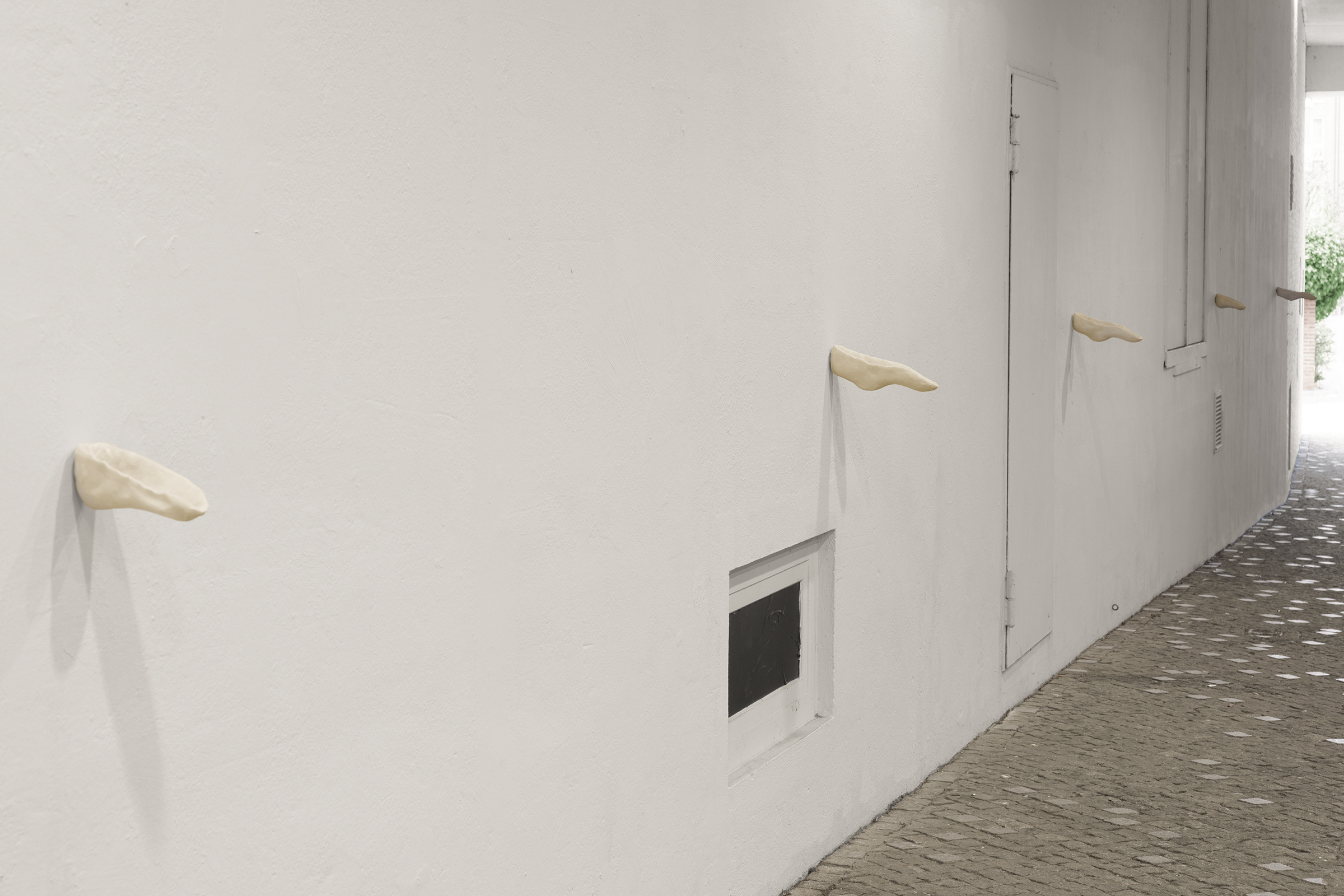
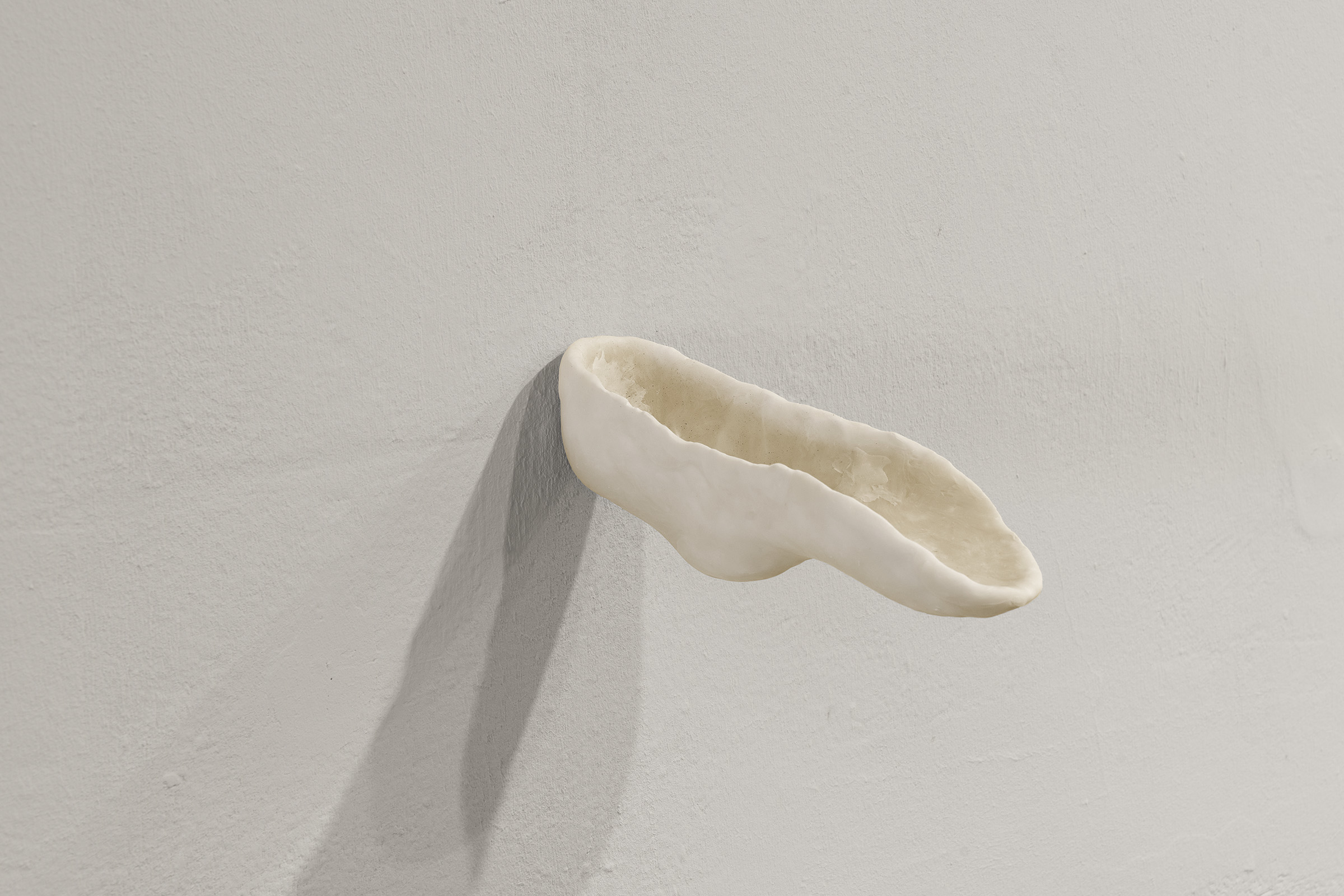
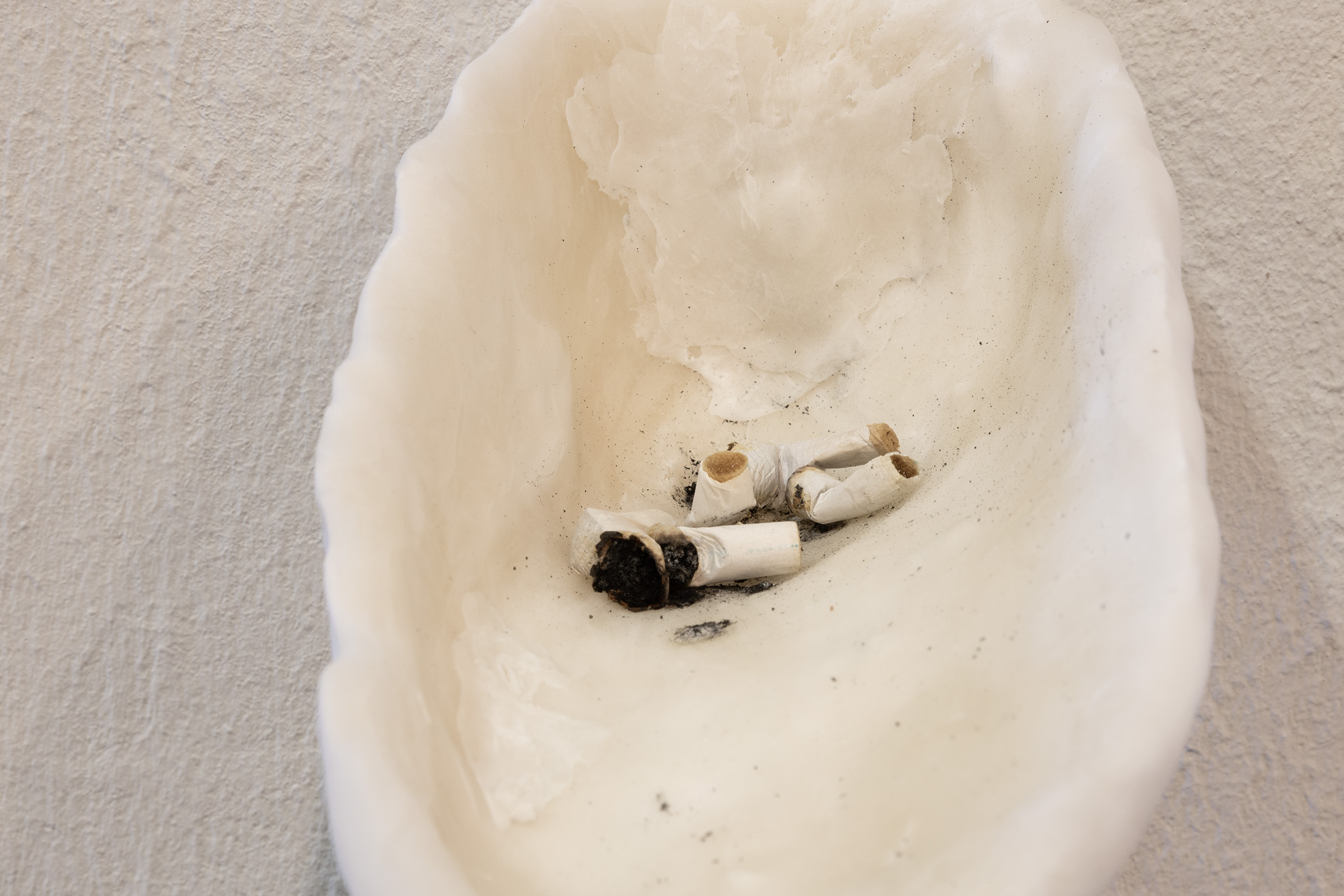
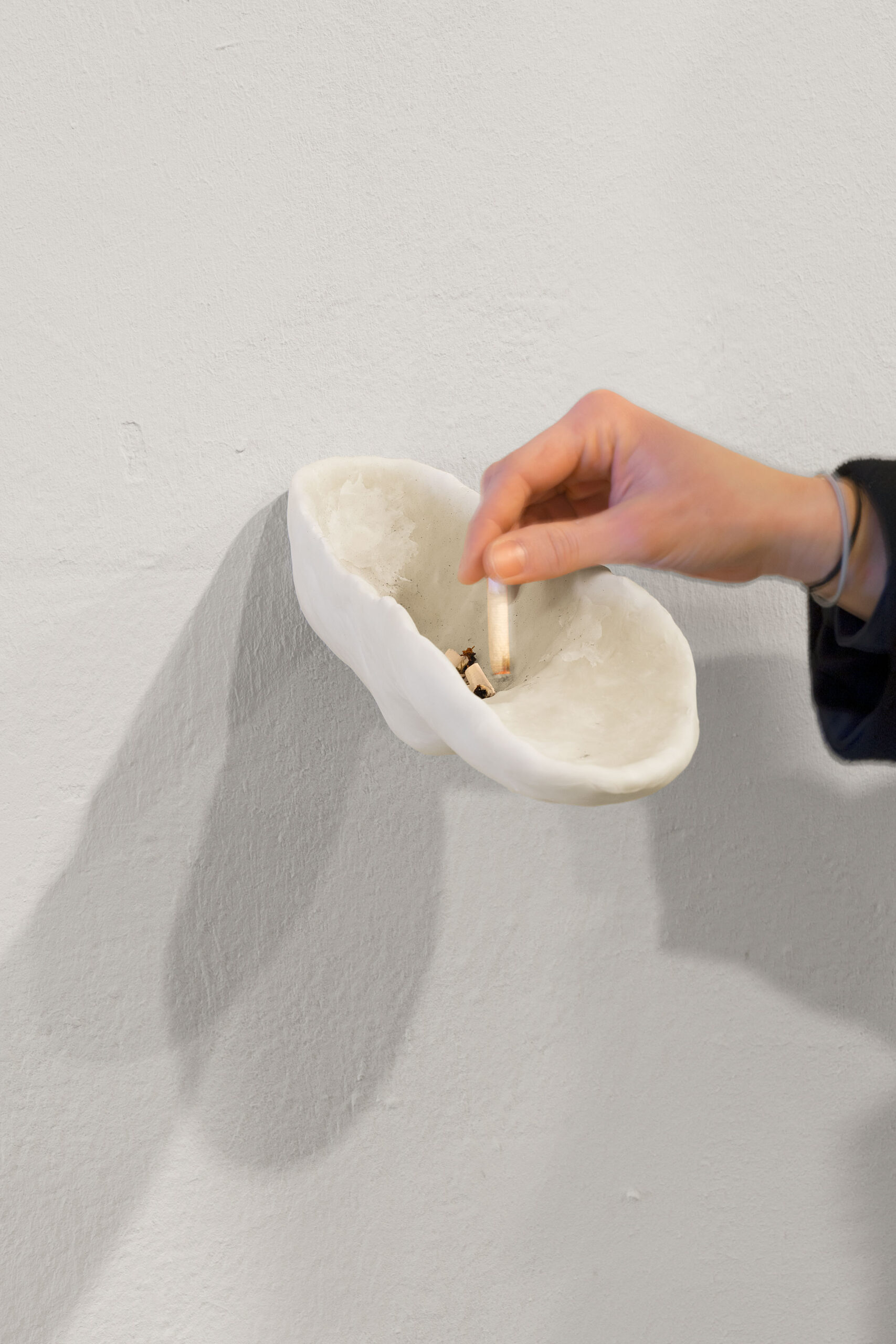
It reappears in the work for GAK’s outside space as well. On the wall that usually holds thirteen poster frames, a series of sculptures extends from the wall and into the space of passersby. Based on a shoelace that repeatedly appears in Waelder’s work, these sculptural objects, like GAK’s ashtray next to the entrance, offer themselves as holders for something to be stored or tucked away, creating a space for unconscious gestures and casual movements of connection.
Memory is central to the work. Waelder intricately combines objects, images, and spaces to form carriers of postures and remembrance. His modification of spaces, the corners one turns, the sculptures, images, and sounds one encounters, are all containers of a knowledge that is not fully accessible. They are rather an invitation to form subtle connections with a personal history as well as connections with history more broadly.
The exhibition title Zungen (tongues) alludes to a tip-of-the-tongue experience where conscious memory fails. A word one knows is so close to recollection but cannot be reached or voiced, creating a lapse in time. This phenomenon is said to be connected to emotions. The stronger the emotion, the more complicated it becomes to find the memory of the word.
Ian Waelder (b. 1993) graduated from the Städelschule in Frankfurt am Main in 2023, where he studied as a Meisterschüler under Prof. Haegue Yang. He is currently a fellow of the Laurenz–Haus Stiftung in Basel (2025/26). Recent solo exhibitions include Kestner Gesellschaft (Hannover, 2025), carlier | gebauer (Berlin, 2025), and Es Baluard Museu d’Art Contemporani (Palma, 2023–24), among others. Group exhibitions have taken place at institutions and galleries including Kunsthalle Wien (Vienna), ifa Galerie (Berlin), nsdoku (Munich), Petrine (Paris), Fundació Antoni Tàpies (Barcelona), Delfina Foundation (London), Francis Irv (New York), Nassauischer Kunstverein (Wiesbaden), and La Casa Encendida (Madrid), among others.
He has been an artist-in-residence at WIELS – Center for Contemporary Art (Brussels, 2024), and has received grants including the basis Hessisches Atelier Programm (2025–29), the DZ BANK Kunststiftung Förderstipendium (2023–24), and the Städelschule Portikus e.V. Graduation Prize (2023).
Opening: 30.01., 19:00
The series for fear of continuity problems invites artists to play a game of ping-pong between the small bookshop at the GAK and the question of how memory, perspectives, narratives, identities, and the unconscious can be spatially represented and publicly negotiated. Julia Horstmann has designed a new bookshelf for the collaborative project based on the idea of the memory palace, a method for remembering using places and artifacts.
Funded by
Der Senator für Kultur der Freien Hansestadt Bremen, Liebelt Stiftung Hamburg, Waldemar Koch Stiftung, Sparkasse Bremen