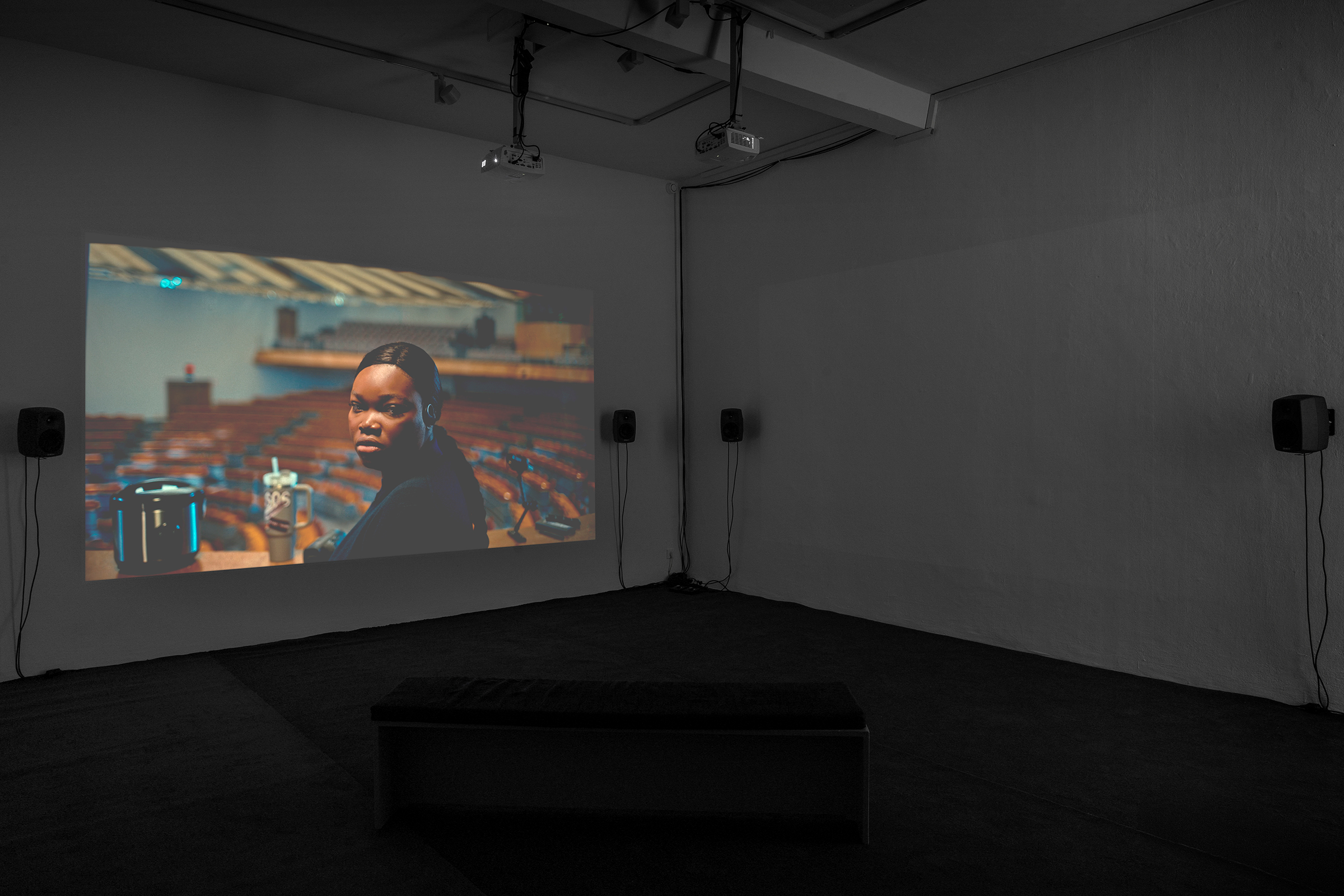
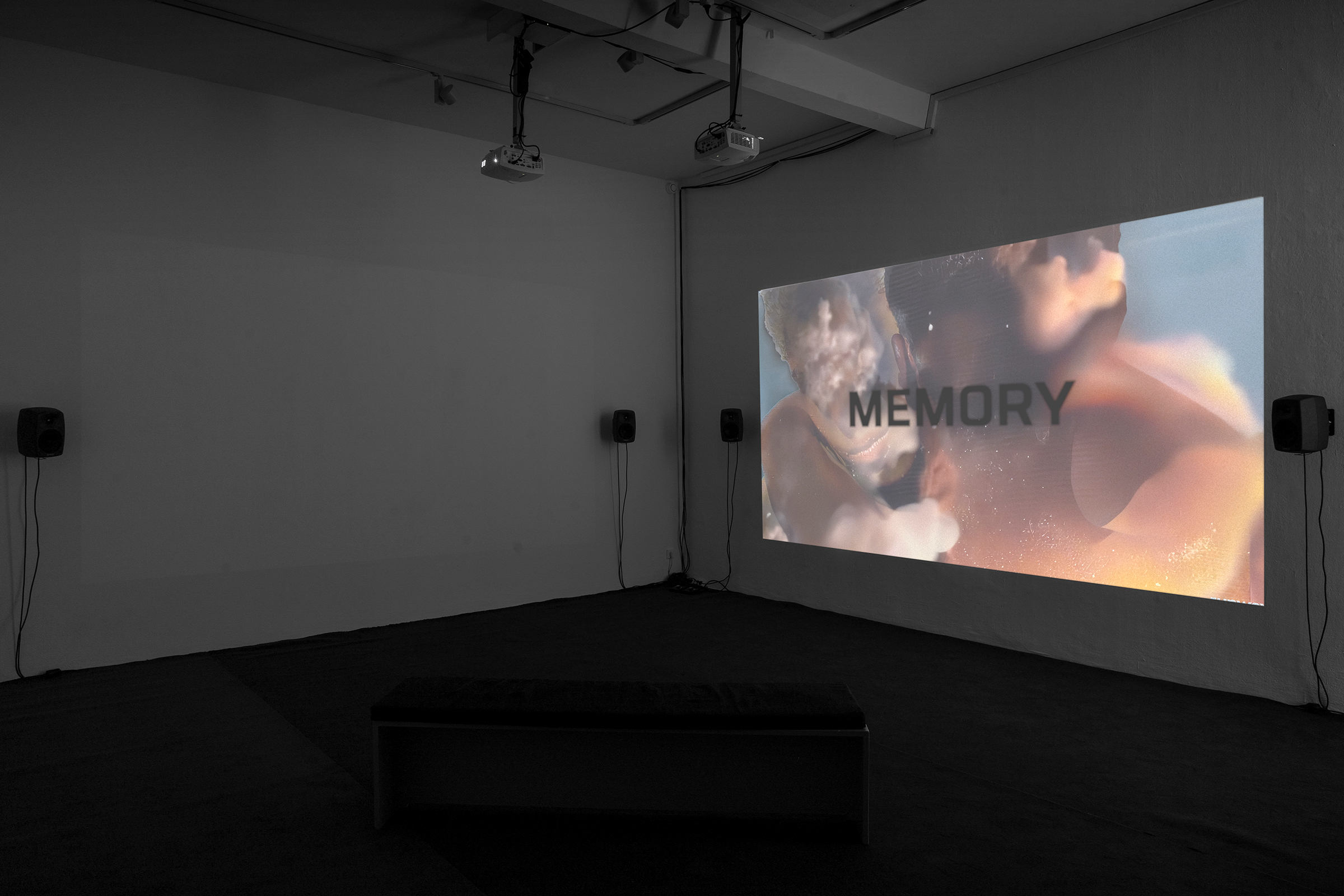


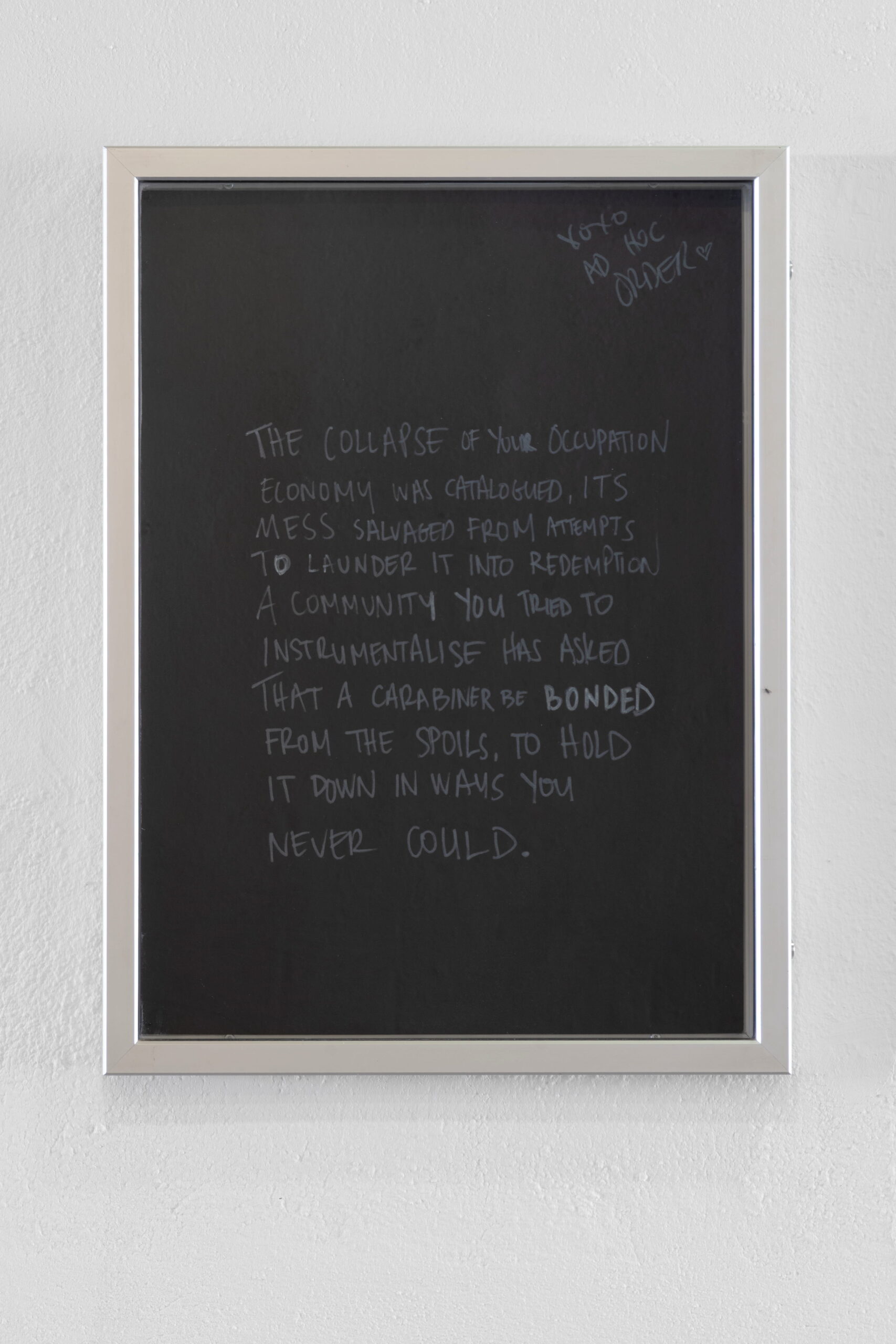
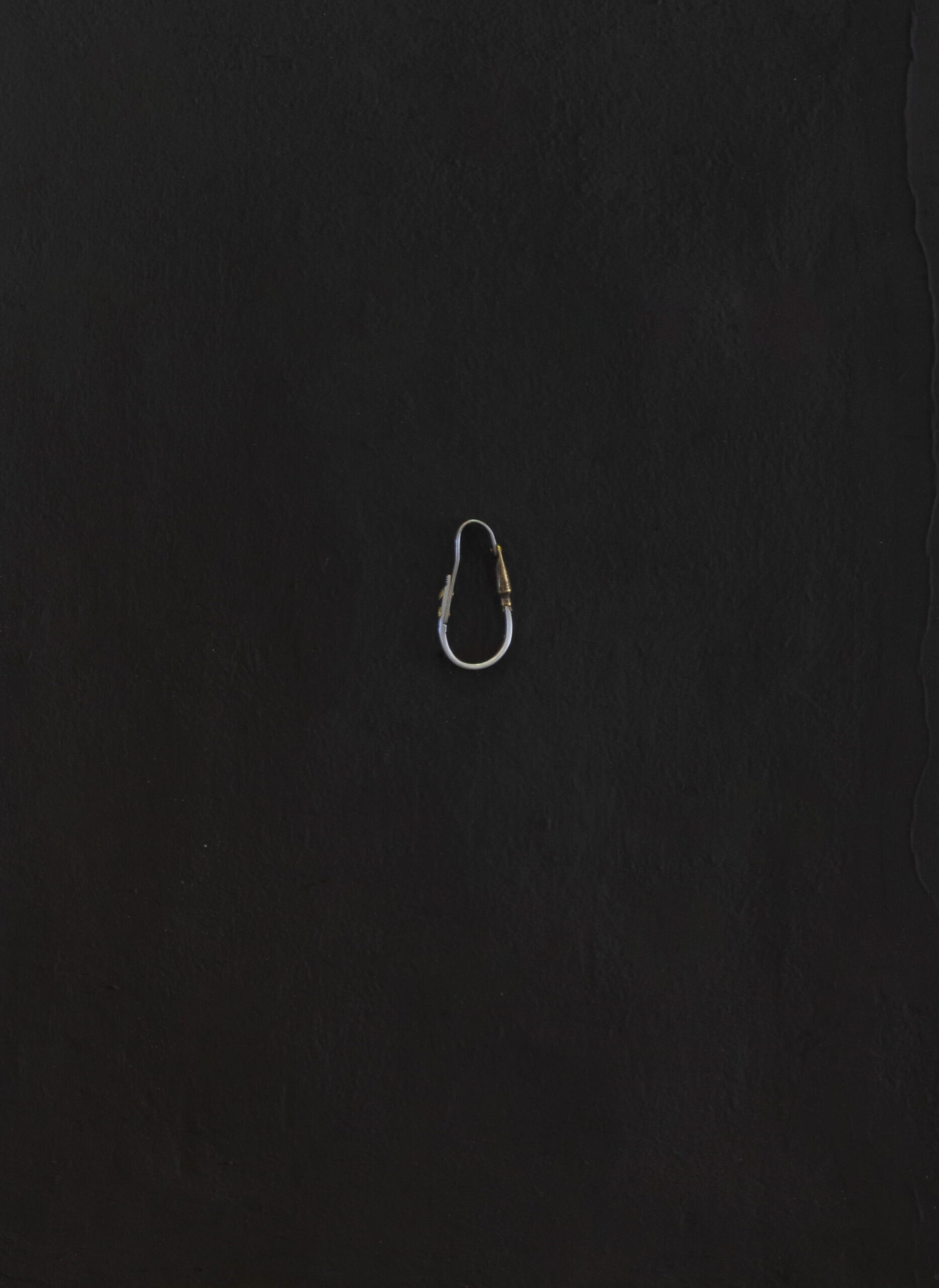
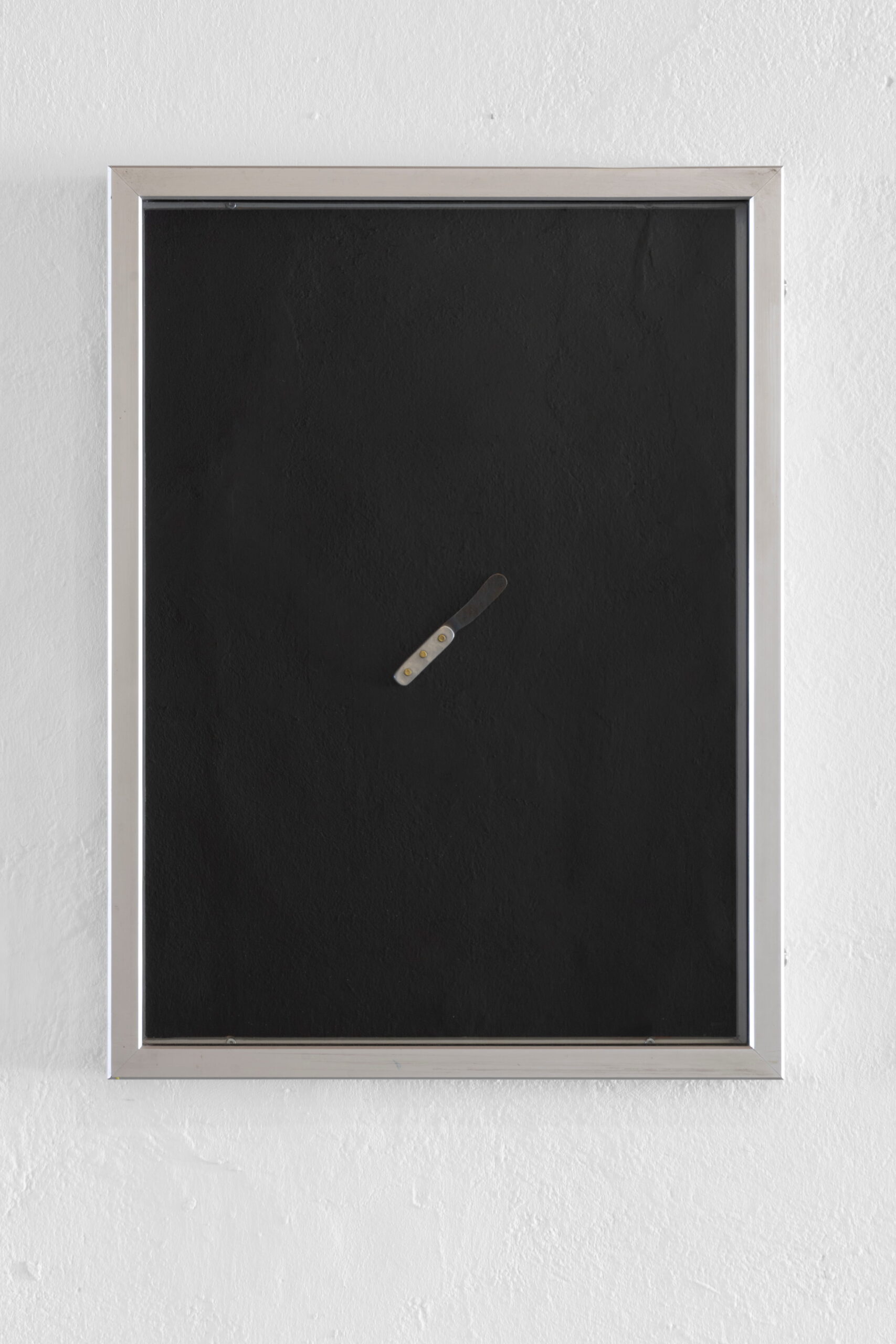
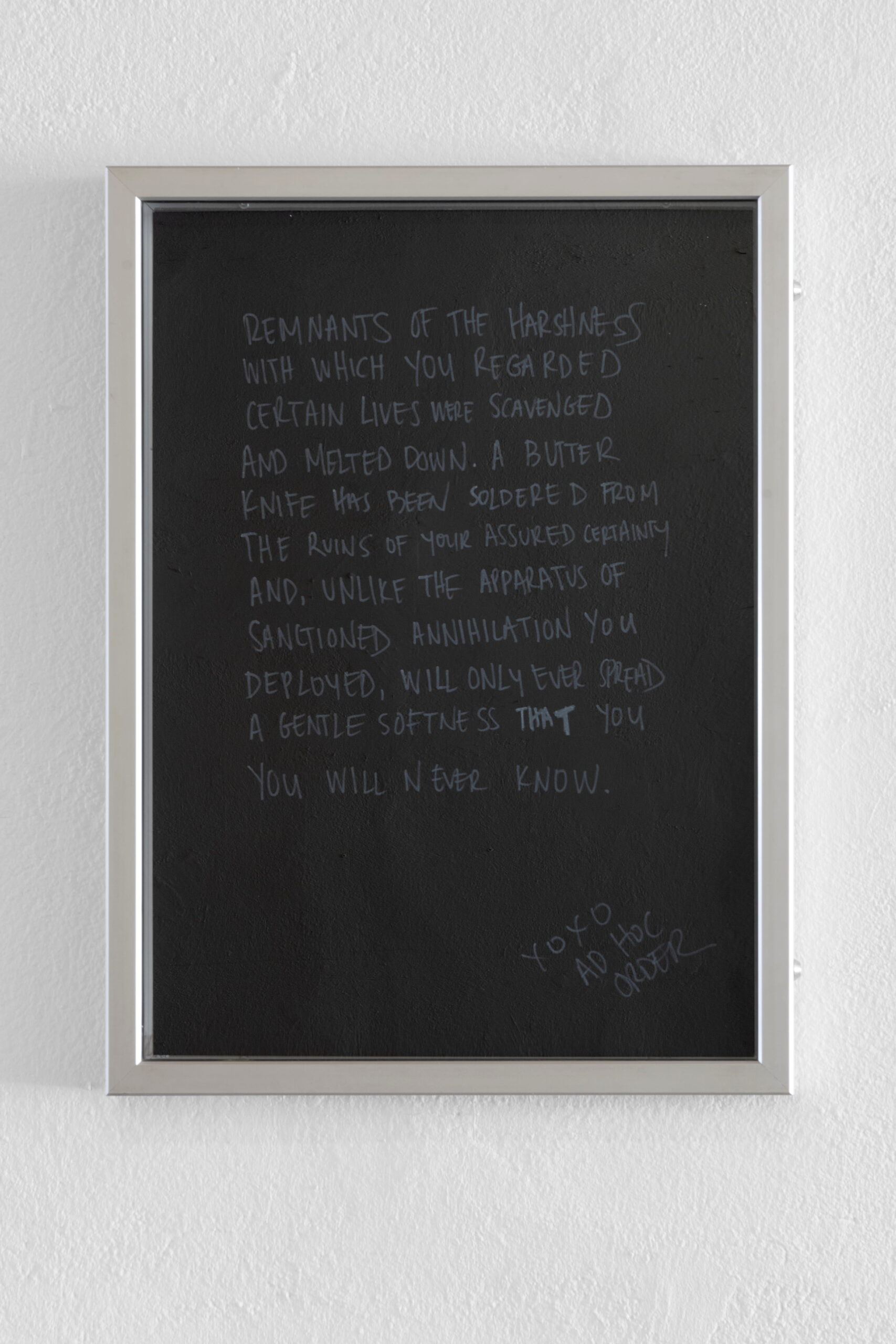
In MEMORY! (2025), on November 20, 2099, a memory is lost. C.B. Evans’ video and sculptural works, here presented within the framework of our exhibition series “for fear of continuity problems”, are set against the rubble, waste, and toxicity produced by the systematic destruction of the future.
The work of C.B. Evans (Belgian-American; lives and works in Saint-Denis, France) often takes the form of video installations that create environments in an imagined world. Within this framework, the artworks that make up these worlds pick up on the technological, political, and social implications of the present day to explore and rethink their future implications, recuperating not only their outer effects but also the emotional aspects they entail. Evans’ exhibition Ad Hoc Order takes as its point of departure the videos MEMORY! (2025) and RECEPTION! (2024) – character studies of a protagonist and her double, a memory that has abandoned her body. Both exist in a world where an ecological crisis has caused a storage shortage, resulting in the loss of much of the population’s personal data.
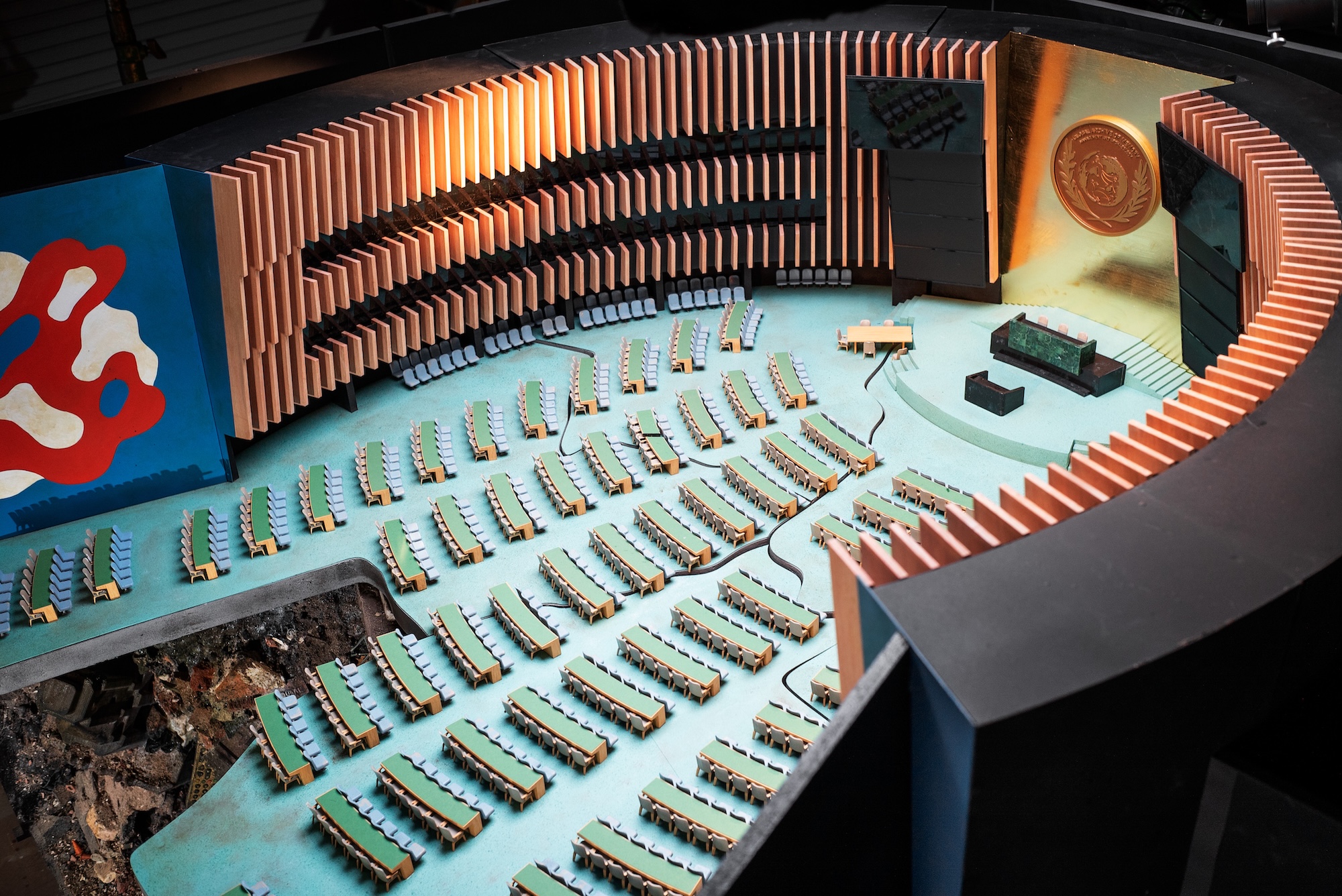
These call-and-response works were originally presented at the 2025 Sharjah Biennial, shown alongside the Ad Hoc Order series: a split-open sculptural model reimagining the UN Assembly Hall in New York, resting on the wasted ruins of the city. MEMORY! features this environment, while the preceding work RECEPTION! is likewise set in an assembly hall, the original European Parliament, restaged as the Global Archive for Memory Management and Archaeology (GAMMA). The works depict single characters interwoven with CGI-generated, found, and captured imagery, drawing on processes of translating collective memory and responsibility. Both ask how- and if- memory is meant to survive, the “storage crisis” linked to the waste of the dysfunctional society in which we currently live, and which future generations will inherit.
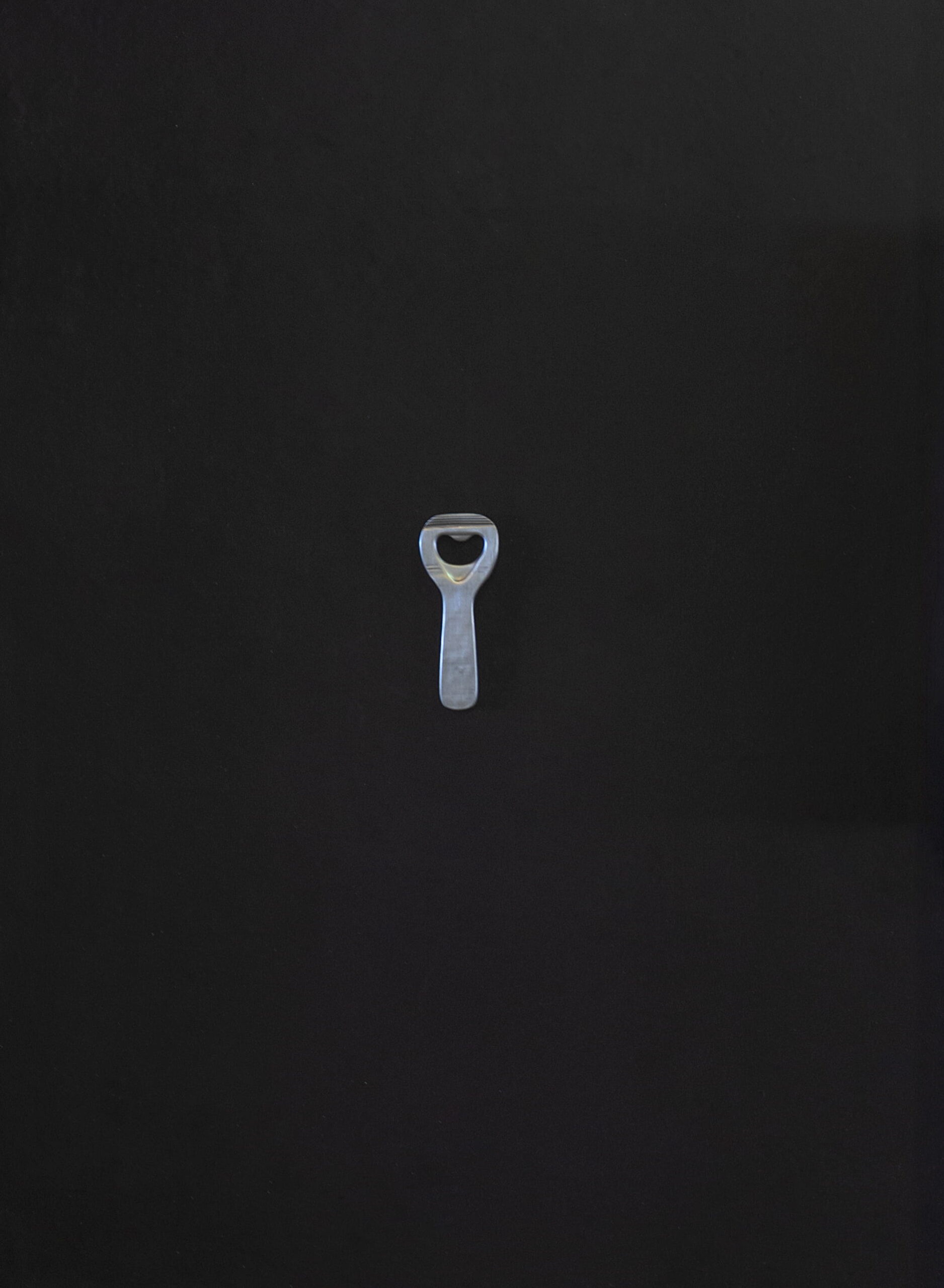
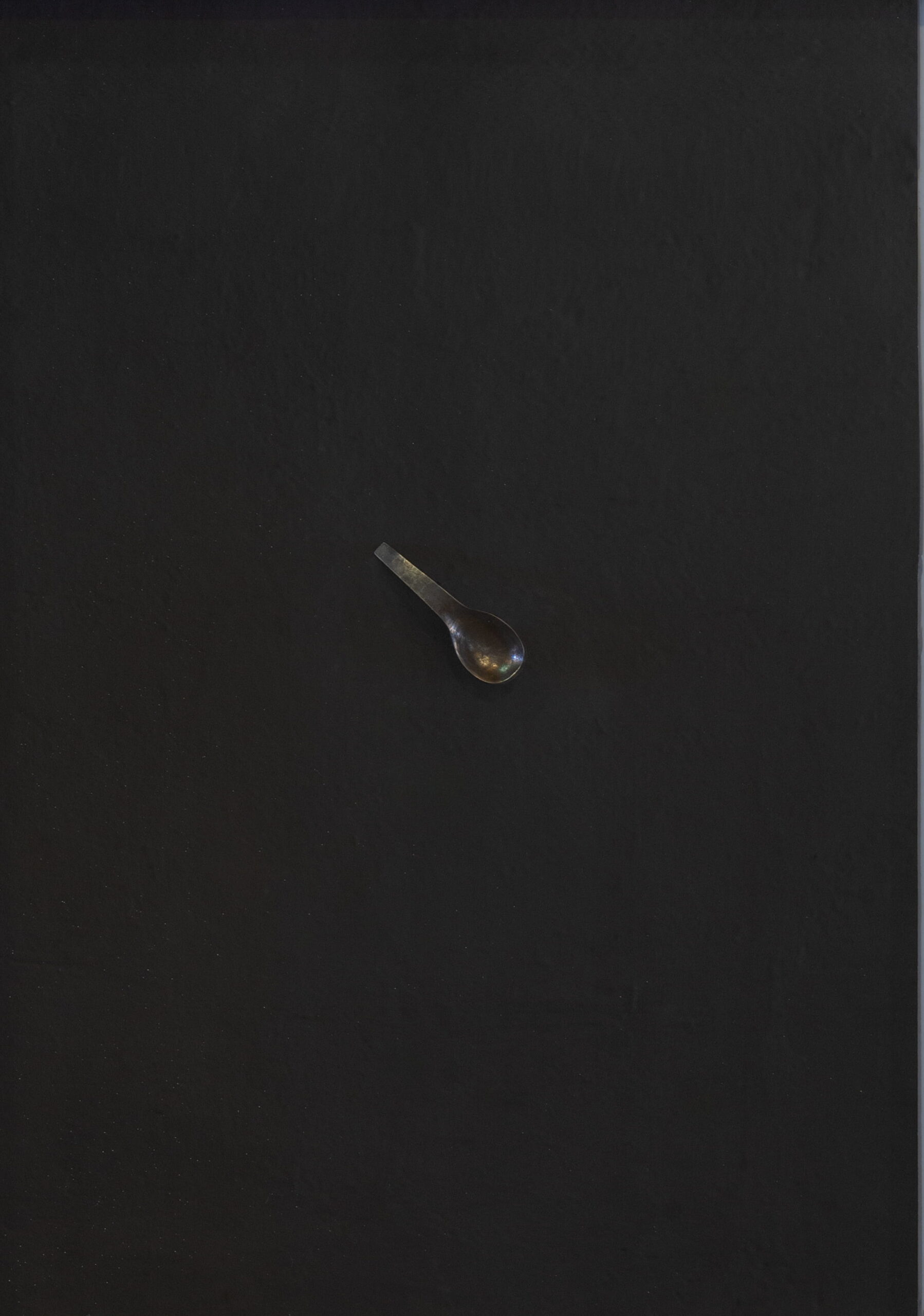
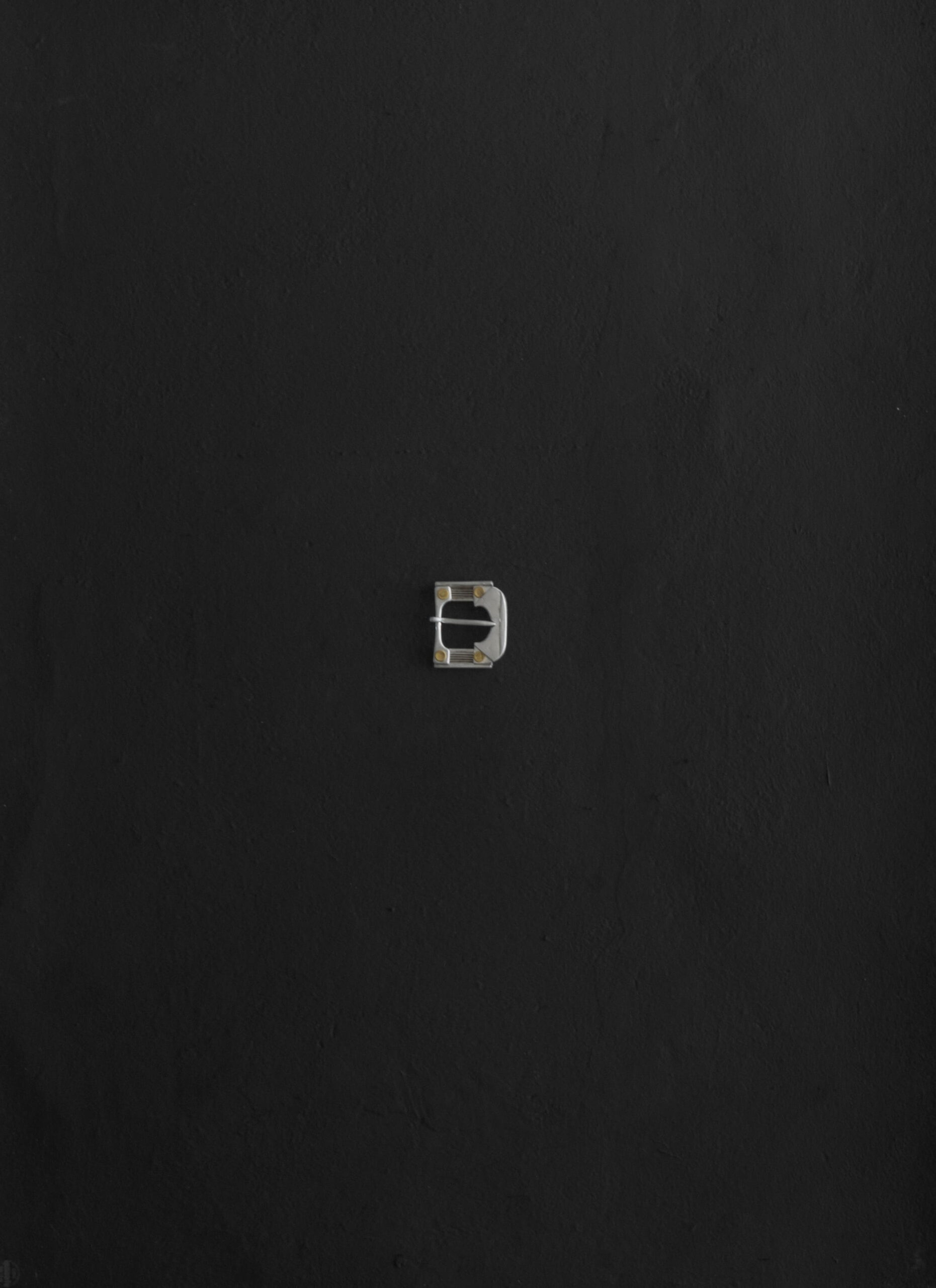
Building on the notion of waste as both a predominant reality and an ad hoc material for a future society, the development of Evans’ first exhibition in Germany in several years included a search for demilitarized weapons waste. Sourced from EST Energetics, a waste management facility that neutralizes the scraps of a booming European industry, the metal is prepared for a new life cycle (while tons of military waste, along with its physically and psychically toxic chemicals, remain in the lands and waters of this world). This recycling process is itself part of the industrialized systems of war, generating value from destruction.
Against this backdrop, it is important to note: the material removed from the supply chain was personally collected by the artist without any financial exchange.
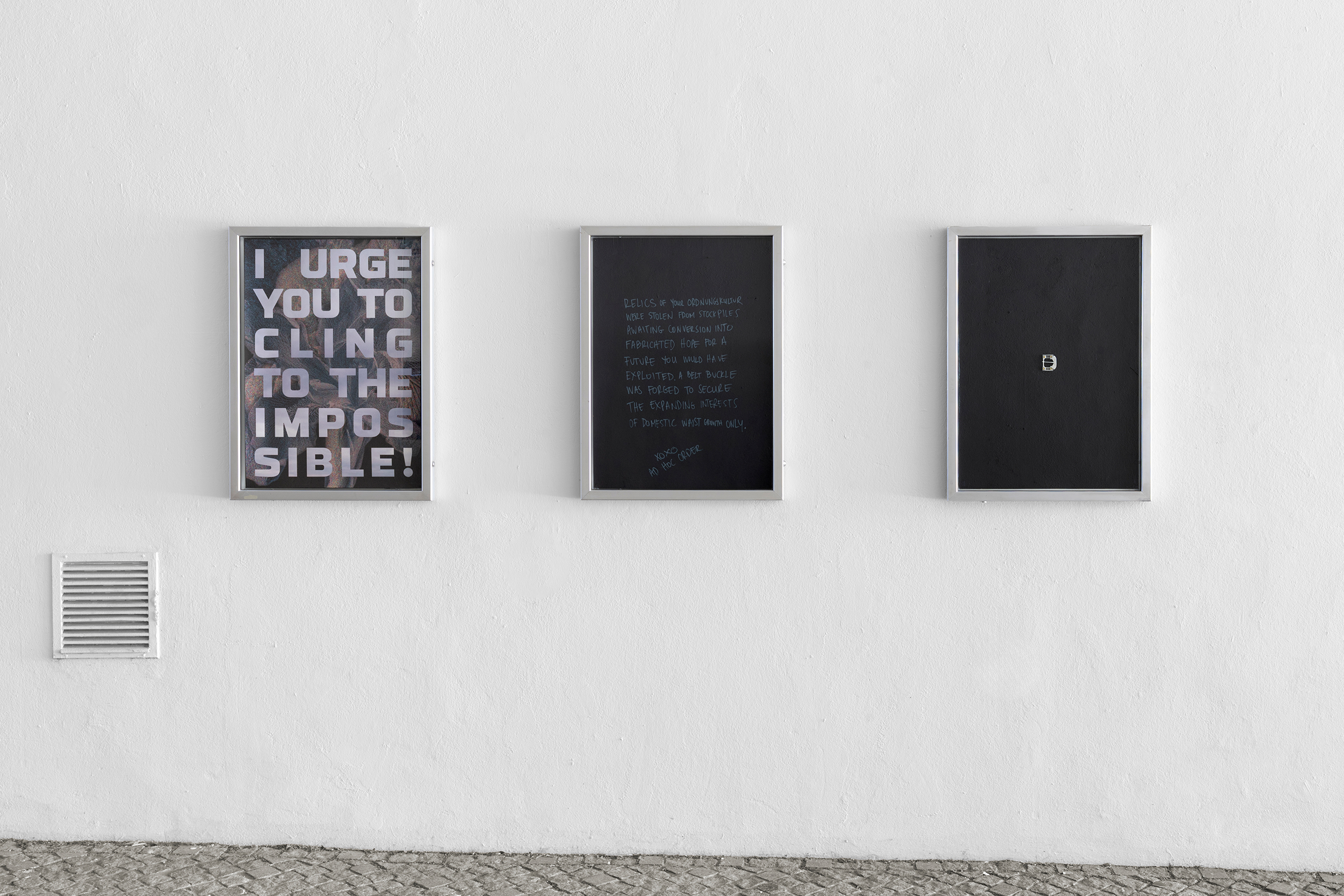
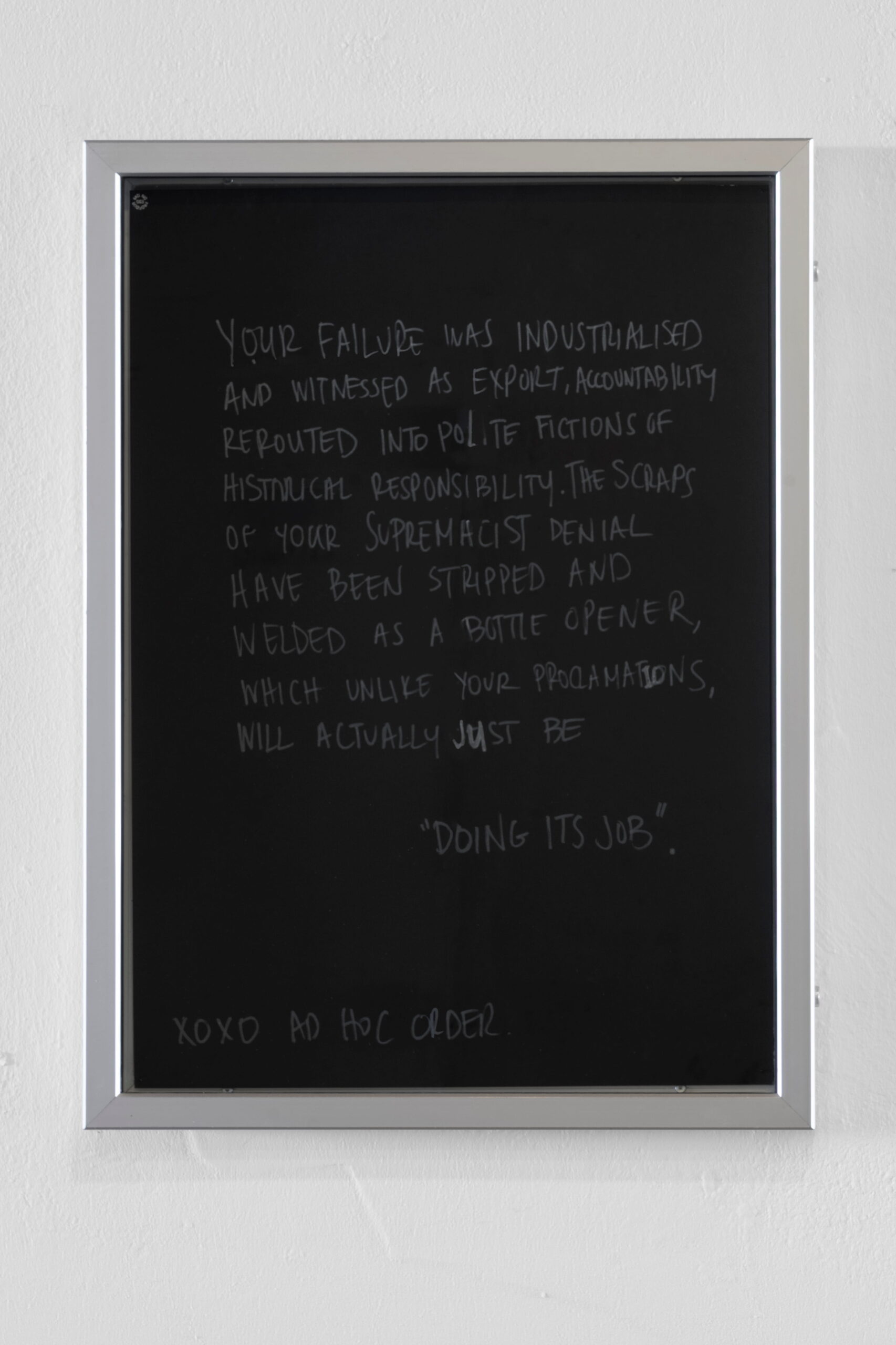
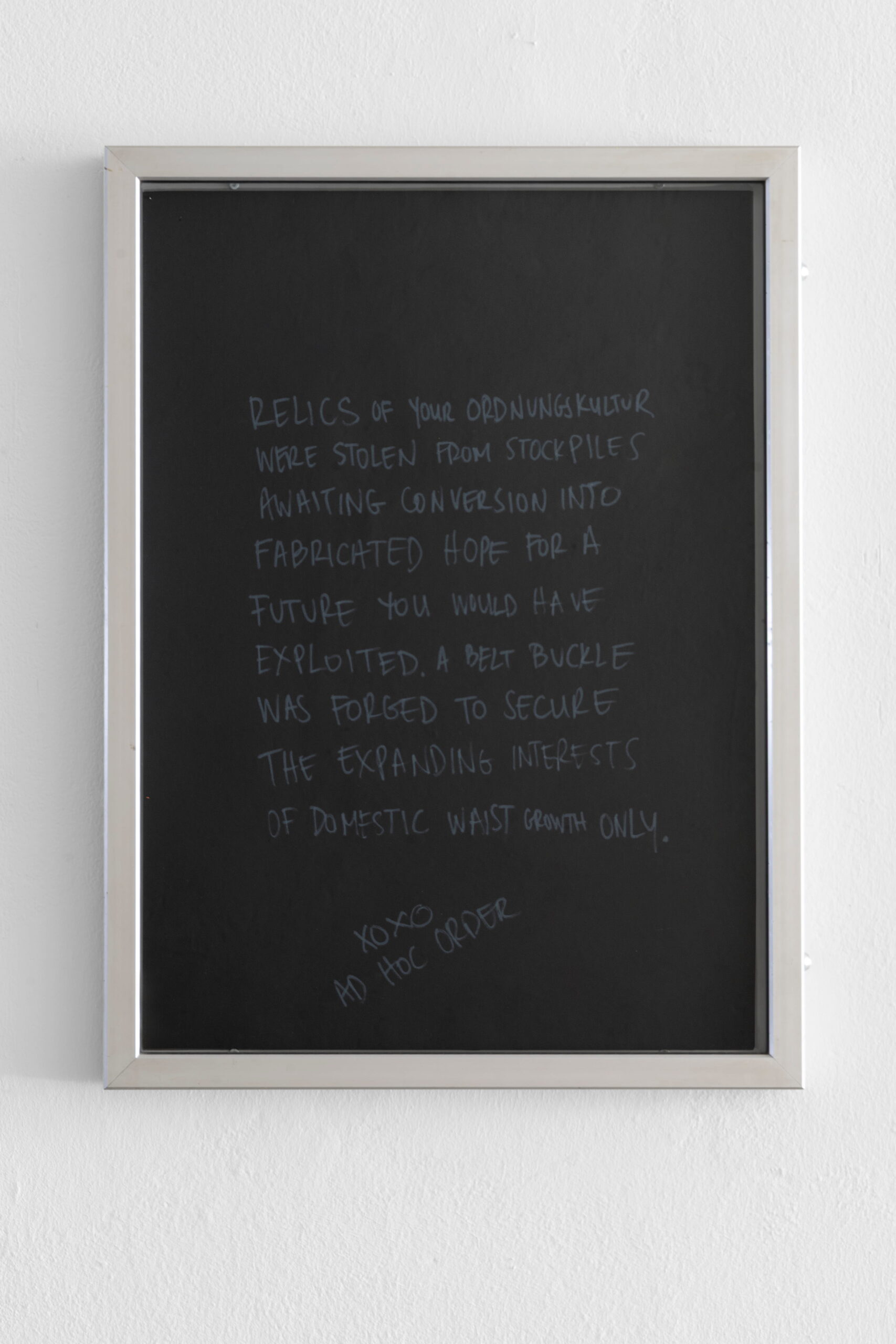
The result is the transformation of this metal waste into small everyday objects displayed in the poster cases. As in the original Ad Hoc Order series, each object is given a title that acts as a mocking threat to an existing order, suggesting that the spoils of its auto-generated crises will be transformed into useful tools for moving forward in a new order, without the old one.
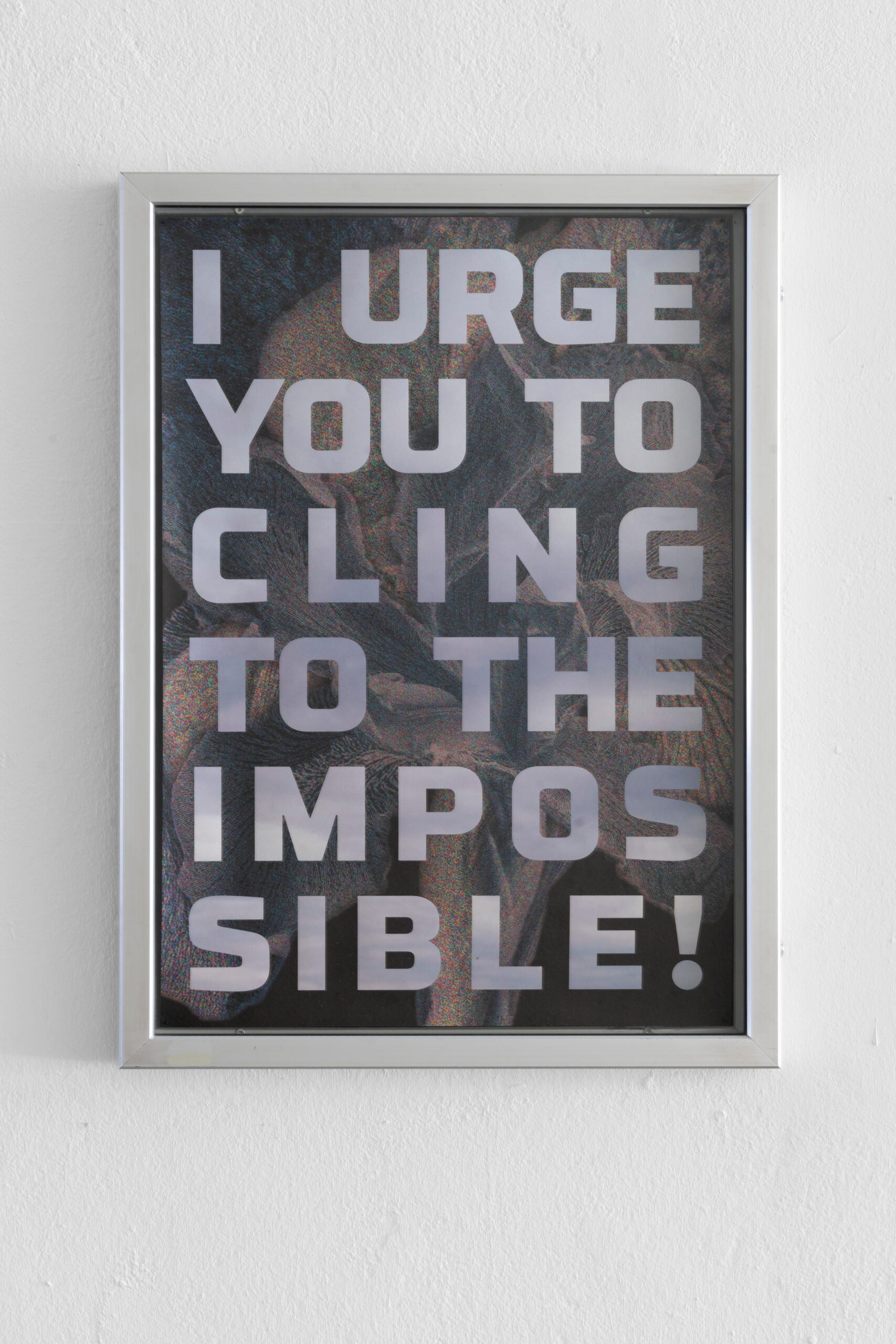
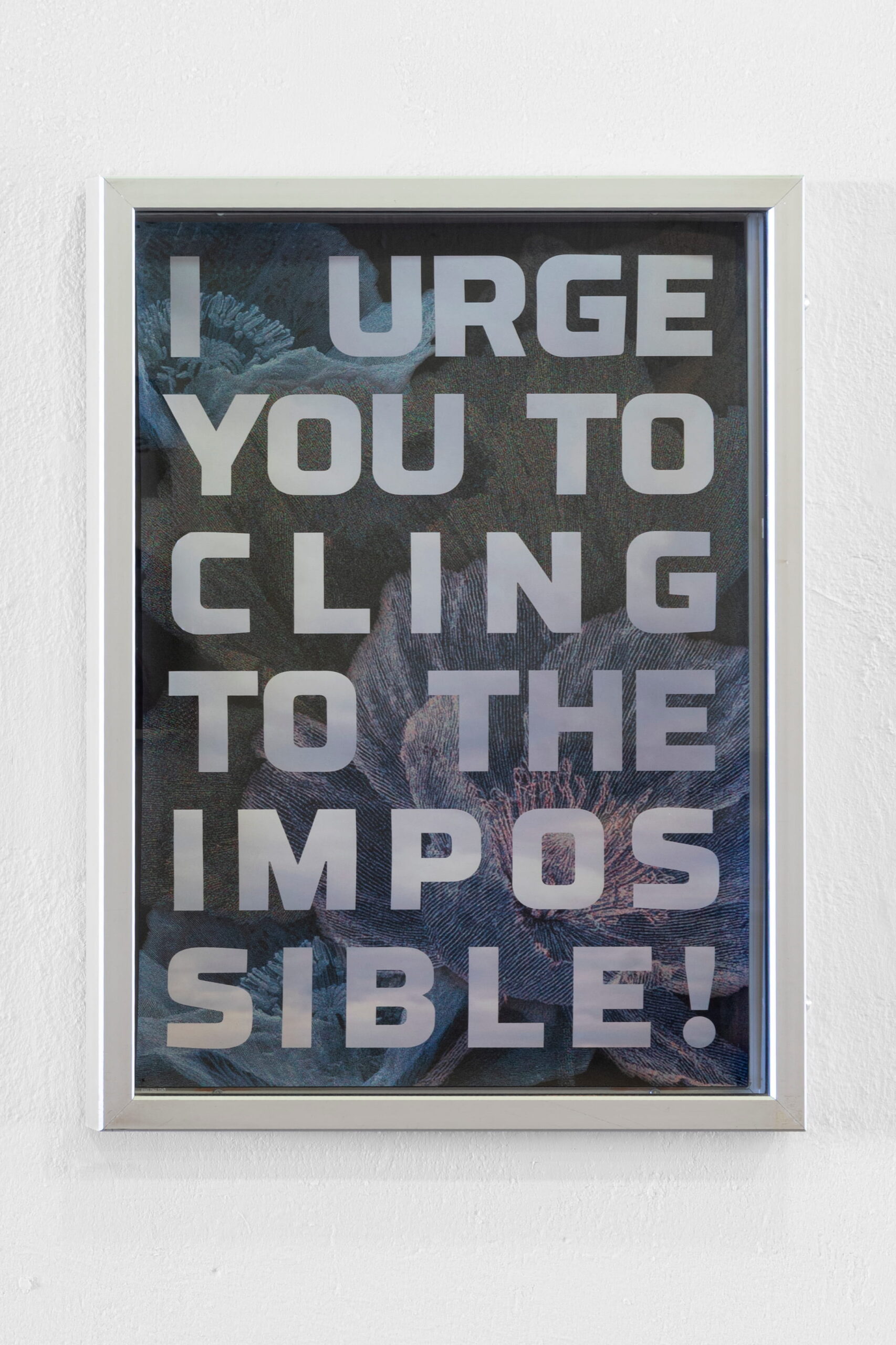
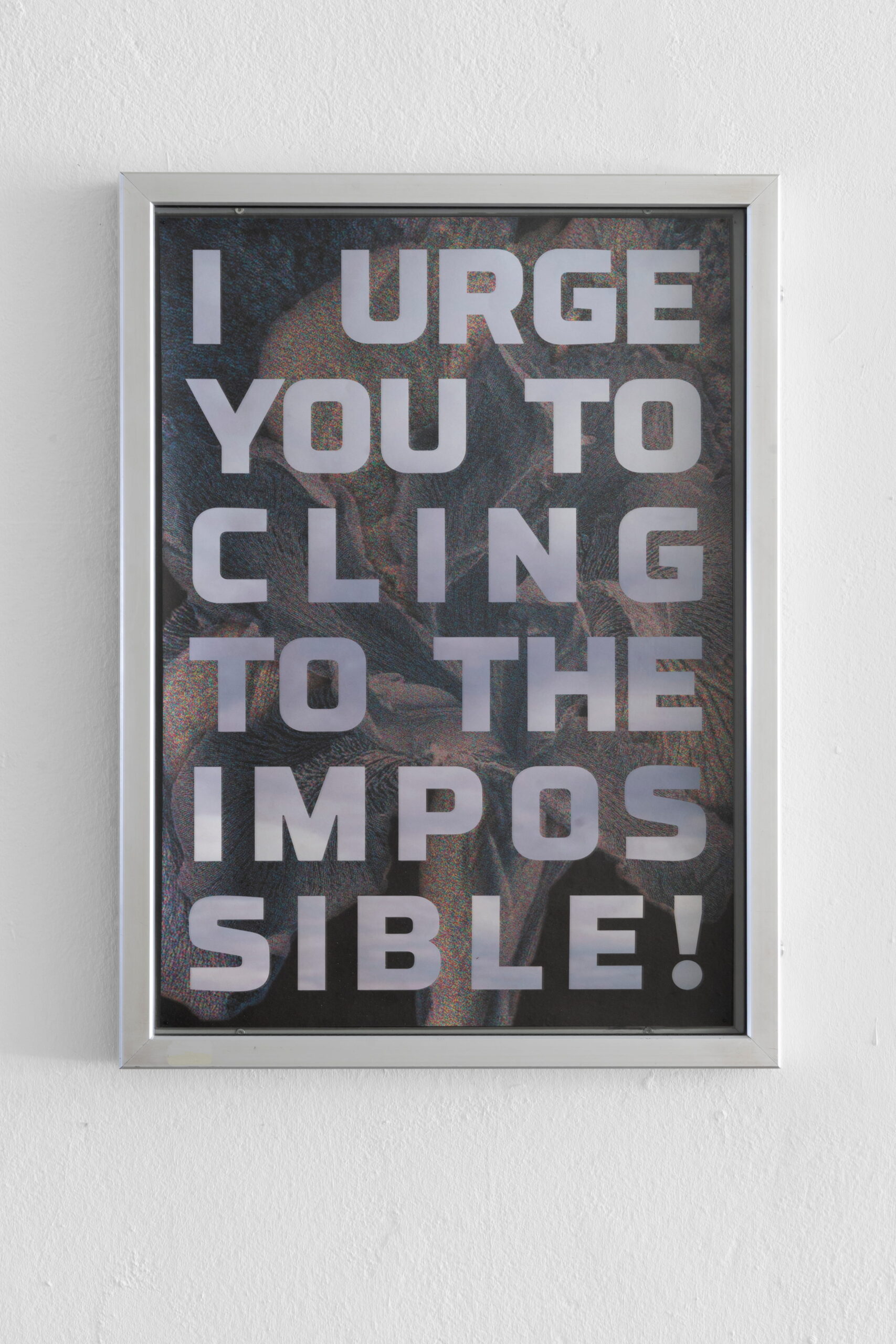
Accompanying the objects are posters originally created for the Love is Resistance fundrasing project, emblazoned with Palestinian poet Mahmoud Darwish’s decree to his recently deceased friend Edward Said: “I urge you to cling to the impossible!”
C.B. Evans’ exhibition Ad Hoc Order is the fifth in our series for fear of continuity problems, which explores the notion of memory across parts of GAK’s indoor space and in the poster frames outside.
Opening: 22.05., 19:00
The series for fear of continuity problems invites artists to play a game of ping-pong between the small bookshop at the GAK and the question of how memory, perspectives, narratives, identities, and the unconscious can be spatially represented and publicly negotiated. Julia Horstmann has designed a new bookshelf for the collaborative project based on the idea of the memory palace, a method for remembering using places and artifacts.
Funded by
Der Senator für Kultur der Freien Hansestadt Bremen, Liebelt Stiftung Hamburg, Waldemar Koch Stiftung, Sparkasse Bremen